P
Plant Grower World
Guest
- Thread Author
- #1
Growing your own apples at home can be a game-changer for fruit lovers and backyard gardeners alike. Imagine biting into a crisp, juicy Honeycrisp or a tangy, sweet Pink Lady, freshly picked from your own tree. These popular varieties are now within reach, thanks to advancements in breeding and cultivation. But with so many factors to consider, it’s easy to feel overwhelmed by the prospect of growing your own apples. Here’s the thing: with the right guidance and a bit of know-how, you can successfully grow these beloved varieties in your own backyard.
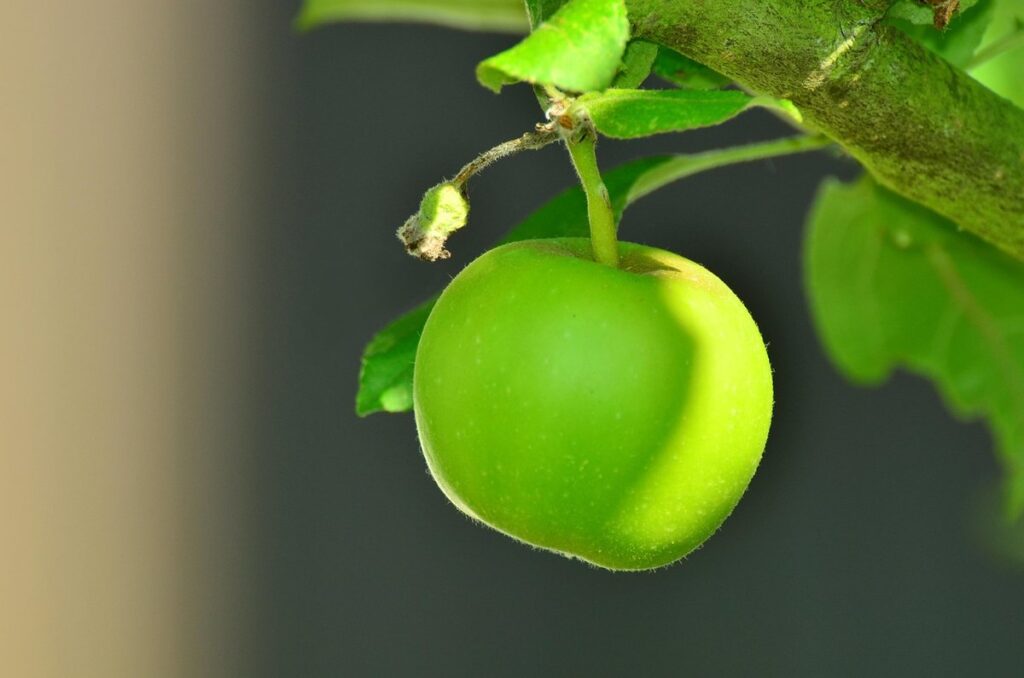
Photo by congerdesign from Pixabay
Pink Lady apples are a temperate crop, requiring a cool and dry climate to thrive. They prefer full sun, with at least six hours of direct sunlight per day. The ideal temperature for growing Pink Lady apples is between 65°F and 75°F (18°C and 24°C), with temperatures above 85°F (29°C) causing stress and reducing yields. Adequate moisture is essential, but overwatering can lead to disease issues. Aim for around 20-25 inches (500-600 mm) of annual rainfall or supplement with irrigation.
Honeycrisp apples are also temperate, but they have specific requirements that set them apart from other varieties. They prefer a slightly cooler climate, with temperatures between 55°F and 65°F (13°C and 18°C) during the growing season. Honeycrisp apples require around 800-1,000 chill hours, which is lower than many other apple varieties. This means they need a shorter period of cold weather to break dormancy and produce fruit. In terms of soil, Honeycrisp apples prefer a slightly acidic pH, ranging from 6.0 to 6.5.
When selecting a variety of apple for home growing, there are several factors to consider. Disease resistance is crucial, especially in regions prone to fungal diseases like powdery mildew or scab. Some popular apple varieties, like Honeycrisp and Pink Lady, are more susceptible to these diseases. Maturation date is also essential, as it affects when the apples will be ready for harvest and how long they will store. Early-maturing varieties, like Red Delicious, are suitable for cooler climates, while later-maturing varieties, like Fuji, are better suited for warmer climates.
Other factors to consider include storage requirements, pollination needs, and desired fruit characteristics. Some varieties, like Pink Lady, are more suitable for fresh consumption, while others, like Honeycrisp, are better suited for snacking or cooking. Finally, consider the specific growing conditions in your area, including soil type, sunlight, and temperature fluctuations. This will help you choose a variety that is well-suited to your home growing conditions and will thrive with proper care.
Before planting your apple trees, it’s essential to prepare the soil to provide the best possible start for your trees. This involves testing the soil pH, adding organic matter, and removing weeds. Apple trees prefer a slightly acidic to neutral soil pH, ranging from 6.0 to 7.0. You can purchase a soil testing kit or send a sample to a lab for analysis. Based on the results, you can amend the soil with lime to raise the pH or sulfur to lower it.
In addition to testing the soil pH, it’s crucial to add organic matter to improve soil structure and fertility. Mix in 2-3 inches of compost or well-rotted manure into the top 6-8 inches of soil. You can also add a 2-inch layer of mulch around the planting area to retain moisture and suppress weeds. As you prepare the soil, remove any weeds, including perennial weeds like quackgrass and knotweed, which can compete with your apple trees for water and nutrients.
When selecting a rootstock for your apple trees, consider the climate and space available in your garden. There are several types of rootstocks, each with its own advantages and disadvantages. For example, dwarf rootstocks like M9 and M26 are well-suited for small gardens and produce trees that are 6-10 feet tall. Semi-dwarf rootstocks like MM111 and MM106 are more vigorous and produce trees that are 10-15 feet tall.
When choosing a rootstock, consider the climate and soil conditions in your garden. For example, if your soil is heavy clay or prone to waterlogging, you may want to choose a rootstock that is more tolerant of wet conditions. Grafting is also an important consideration when planting apple trees. If you’re new to grafting, it’s best to choose a rootstock that is already grafted with a suitable variety. Plant the tree at the same depth as it was in the nursery, and space it according to the rootstock’s recommended spacing. For dwarf rootstocks, space the trees 6-8 feet apart, while semi-dwarf rootstocks require 8-10 feet of space between trees.
Consistent watering and mulching are crucial for young apple trees. Apple trees require about 1 inch of water per week, either from rainfall or irrigation. Water the trees deeply once or twice a week, depending on weather conditions. Mulching helps retain moisture in the soil and suppress weeds. Apply a 2-inch layer of organic mulch, such as wood chips or bark, around the tree, keeping it a few inches away from the trunk.
As the tree grows, it will develop a root system that extends beyond the mulched area. To create a healthy and productive orchard, plant multiple trees, spaced according to their rootstock’s recommended spacing. Water and mulch the trees regularly, and prune them annually to promote healthy growth and fruit production. With proper care and attention, your apple trees will thrive and provide you with delicious fruit for years to come.
Apple trees require a balanced diet of nutrients to produce a bountiful harvest. Nitrogen, phosphorus, and potassium are essential for fruit production. Nitrogen promotes healthy foliage and fruit growth, while phosphorus aids in root development and flower formation. Potassium helps to regulate water balance and resistance to disease. A well-balanced fertilizer with a ratio of 10-10-10 (nitrogen-phosphorus-potassium) is a good starting point, but the exact ratio may vary depending on the specific needs of your tree.
To ensure your apple tree receives the necessary nutrients throughout the year, apply a balanced fertilizer in early spring, just as the tree begins to grow. A second application can be made in mid-summer, when the tree is in full production. Avoid over-fertilizing, as this can lead to weakened root systems and reduced fruit quality. It’s also essential to follow the instructions on the fertilizer package and take into account the specific needs of your tree based on factors like soil type and pH.
Some organic alternatives to synthetic fertilizers include compost tea, fish emulsion, and bone meal. These options can provide a slow release of nutrients and promote a healthy soil ecosystem. However, they may not provide the same level of nitrogen as synthetic fertilizers, so additional applications may be necessary.
Pruning is a critical aspect of apple tree care, as it promotes healthy growth, increases fruit production, and maintains the tree’s overall structure. The goal of pruning is to remove diseased, damaged, or dead wood, as well as encourage new growth and air circulation. Pruning can be done at any time of year, but the best time is during the dormant season (winter or early spring) when the tree is less stressed.
The tools needed for pruning include a pair of sharp, clean pruning shears or loppers, and a pruning saw for larger branches. When pruning, always cut just above a growth node (the point where a branch meets the trunk) to promote new growth. Remove any suckers or water sprouts, as these can divert energy away from the fruiting branches. Prune no more than one-third of the tree’s canopy in a single season to avoid shocking the tree.
Some additional tips for pruning apple trees include: removing any branches that rub against each other or the trunk, thinning out the canopy to allow for better air circulation, and maintaining a central leader (a single, dominant trunk) to promote a strong and balanced tree.
Apple trees are susceptible to a range of pests and diseases, including aphids, codling moths, powdery mildew, and scab. Integrated pest management (IPM) techniques aim to minimize the use of chemical pesticides and promote a balanced ecosystem. Organic solutions include introducing beneficial insects like ladybugs and lacewings, which prey on aphids and other pests. Other options include neem oil, which can be used to control a wide range of pests, and copper-based fungicides, which can help to prevent disease.
To manage pests and diseases effectively, it’s essential to monitor your tree regularly and take action at the first sign of problems. This may involve pruning affected branches, applying a fungicide or insecticide, or introducing beneficial insects. Regular cleaning of the tree’s leaves and fruit can also help to prevent the spread of disease.
Identifying the optimal harvest time for Pink Lady and Honeycrisp apples is crucial to ensure the best flavor and texture. Both varieties are known for their sweet flavor, but they have different ripening times. Pink Lady apples typically ripen in late October to early November, while Honeycrisp apples ripen in late September to early October. However, the exact harvest time may vary depending on your location and the specific growing conditions.
To determine when your apples are ready for harvest, check for the following signs: a slight softening of the skin, a yellow or pink blush on the sun-exposed side, and a sweet, fruity aroma. You can also use the “twist test”: gently twist the stem; if it comes off easily, the apple is ready to be picked.
Another important factor to consider is the sugar content of the apples. Pink Lady apples typically have a higher sugar content than Honeycrisp apples, which can affect their storage life. Honeycrisp apples, on the other hand, tend to be more prone to bruising due to their unique texture.
To ensure you’re harvesting at the optimal time, taste a few apples from the tree. If they’re not yet sweet and flavorful, wait a few more days and check again. Keep in mind that the flavor and texture of the apples will continue to develop after harvest, so it’s better to err on the side of caution and wait a bit longer.
Proper storage is essential to extend the shelf life of your freshly harvested apples. Store them in a cool, well-ventilated area with a consistent temperature between 32°F and 40°F (0°C and 4°C). Avoid storing apples near heat sources, ovens, or direct sunlight.
For short-term storage, use a breathable container, such as a mesh bag or a ventilated plastic bag, to maintain humidity control. You can also store apples in a refrigerator, but be sure to keep them away from strong-smelling foods, as apples can absorb odors easily.
For longer-term storage, consider using a controlled atmosphere storage (CAS) system or a root cellar. CAS systems use a combination of temperature, humidity, and gas levels to slow down the ripening process. Root cellars, on the other hand, use natural cooling and humidity control to maintain a stable environment.
When storing apples, it’s essential to monitor their condition regularly. Remove any apples that are bruised, rotting, or showing signs of mold to prevent the spread of disease.
Curing apples is a simple and effective method for preserving apples at home. The process involves creating a controlled environment with high humidity and low oxygen levels to slow down the ripening process. This method is particularly useful for Honeycrisp apples, which are prone to spoilage due to their unique texture.
To cure apples, place them in a container or bag with a damp cloth or paper towel. Seal the container or bag and store it in a cool, dark place. The high humidity and low oxygen levels will slow down the ripening process, allowing you to store the apples for several months.
Curing apples has several benefits, including reduced spoilage, extended shelf life, and improved flavor and texture. However, it’s essential to note that curing apples will not stop the ripening process completely, and the apples will eventually become sweeter and softer over time.
When curing apples, make sure to monitor their condition regularly and remove any apples that are showing signs of spoilage. With proper care and attention, you can enjoy your homegrown apples for several months.
Apple trees, like any other living organism, can be susceptible to various issues that can affect their health and productivity. Among the most common problems are nutrient deficiencies, pests, and diseases. Identifying these issues early on is crucial to prevent them from spreading and causing significant damage to the tree.
Nutrient deficiencies are often caused by poor soil quality or inadequate fertilization. Symptoms may include yellowing leaves, stunted growth, or a decrease in fruit production. To address nutrient deficiencies, it’s essential to conduct a soil test to determine the levels of essential nutrients. Based on the results, apply organic or synthetic fertilizers as needed.
Pests, such as aphids, codling moths, and spider mites, can also harm apple trees. These insects can cause damage to leaves, stems, and fruit, weakening the tree’s defenses. Regular monitoring and early detection are key to controlling pest infestations. Use organic or integrated pest management (IPM) techniques, such as introducing beneficial insects, practicing good sanitation, and applying targeted pesticides.
Diseases like powdery mildew, scab, and fire blight can also affect apple trees. These fungal and bacterial infections can cause lesions, blisters, or cankers on the leaves, stems, and fruit. To prevent disease spread, practice good sanitation, remove infected areas, and apply fungicides or bactericides as needed.
If an apple tree is struggling due to neglect or poor care, it may be possible to revive it. However, this process requires patience, dedication, and a thorough understanding of the tree’s needs. Begin by pruning the tree to remove dead, diseased, or damaged branches. This will help the tree redirect its energy towards healthy growth.
Next, inspect the tree’s root system to determine if it’s receiving adequate water and nutrients. If the soil is poor, consider adding organic matter or fertilizers to improve its fertility. Monitor the tree’s response to these changes and make adjustments as needed.
Pest management is also crucial when reviving a struggling apple tree. Check for signs of pest infestations and take action promptly to prevent them from spreading. Consider introducing beneficial insects or applying targeted pesticides.
Preventing common apple tree problems requires good orchard management practices. Regular monitoring is essential to detect issues early on. Inspect the tree’s leaves, stems, and fruit regularly for signs of pests, diseases, or nutrient deficiencies.
Pruning is another critical aspect of orchard management. Prune the tree annually to maintain its shape, promote healthy growth, and remove diseased or damaged areas. Prune during the dormant season to minimize the risk of disease transmission.
Finally, practice good sanitation and pest management techniques to prevent the spread of diseases and pests. Remove fallen leaves and fruit, and use targeted pesticides or beneficial insects as needed. By following these guidelines, you can create a healthy and productive apple orchard.
Grafting and budding are advanced techniques used to propagate new apple trees by joining a piece of stem (scion) from one tree to the root system of another (rootstock). This allows growers to combine the desirable traits of a high-quality scion with the disease resistance and vigor of a robust rootstock. Grafting is typically done in the spring or fall, while budding is a more precise technique that’s usually performed in the spring.
The benefits of grafting and budding include increased yield, improved fruit quality, and accelerated growth. However, these methods can be challenging and require specialized equipment. Growers must carefully select compatible scion and rootstock combinations, as incompatibility can lead to reduced growth or even tree death. Additionally, grafting and budding require a high level of technical skill, making them less accessible to novice growers.
Espalier, cordon, and central leader are popular training methods used to manage the growth of apple trees. Espalier involves training the tree to grow along a wall or trellis, while cordon and central leader systems use a single leader branch and a series of lateral branches. These methods allow for more efficient use of space, improved air circulation, and easier access for pruning and harvesting.
Espalier is particularly well-suited for small spaces and can be used to grow a variety of apple tree sizes. Cordon and central leader systems, on the other hand, are often used for larger trees and provide a more traditional, upright growth habit. Regardless of the chosen method, growers should prune and train their trees regularly to maintain the desired shape and promote healthy growth.
Soil testing is a crucial step in determining the nutrient needs of an apple tree. This involves collecting a soil sample and sending it to a lab for analysis. Based on the results, growers can apply targeted fertilizers and organic amendments to address any nutrient deficiencies. For example, apple trees benefit from regular applications of potassium, which promotes fruit production and disease resistance.
In addition to fertilizers, growers can use a variety of organic amendments to improve soil health. These include compost, manure, and green sand, which can help to reduce erosion, retain moisture, and support beneficial microorganisms. By incorporating these advanced techniques into their orchard management routine, growers can create a more sustainable and productive apple tree ecosystem.
If you live in an area with a climate that’s not ideal for growing Pink Lady and Honeycrisp apples, consider growing other varieties that are more resistant to heat or cold. You can also try growing dwarf or semi-dwarf trees, which require less chill hours and can thrive in a wider range of climates. Another option is to use greenhouses or containers to create a more controlled environment for your trees.
Yes, you can grow Pink Lady and Honeycrisp apples in containers, but keep in mind that they will require more frequent watering and fertilization. Choose a container that’s at least 14-16 inches deep and has good drainage holes to prevent waterlogged soil. Use a high-quality potting mix and a container-specific fertilizer to promote healthy growth.
Apple trees need consistent moisture, especially during hot summer months. Water your trees deeply once or twice a week, depending on weather conditions. Avoid overhead watering, which can lead to fungal diseases. Instead, use soaker hoses or drip irrigation to deliver water directly to the roots.
If you notice signs of pests or diseases on your apple trees, try to identify the issue before taking action. Research the specific pest or disease and look for organic solutions, such as neem oil or insecticidal soap, before resorting to pesticides. Integrated pest management (IPM) techniques, such as introducing beneficial insects or using physical barriers, can also be effective.
Photo by congerdesign from Pixabay
Choosing the Right Variety and Climate
Understanding the Growing Requirements of Pink Lady Apples
Pink Lady apples are a temperate crop, requiring a cool and dry climate to thrive. They prefer full sun, with at least six hours of direct sunlight per day. The ideal temperature for growing Pink Lady apples is between 65°F and 75°F (18°C and 24°C), with temperatures above 85°F (29°C) causing stress and reducing yields. Adequate moisture is essential, but overwatering can lead to disease issues. Aim for around 20-25 inches (500-600 mm) of annual rainfall or supplement with irrigation.
Climate and Soil Requirements for Honeycrisp Apples
Honeycrisp apples are also temperate, but they have specific requirements that set them apart from other varieties. They prefer a slightly cooler climate, with temperatures between 55°F and 65°F (13°C and 18°C) during the growing season. Honeycrisp apples require around 800-1,000 chill hours, which is lower than many other apple varieties. This means they need a shorter period of cold weather to break dormancy and produce fruit. In terms of soil, Honeycrisp apples prefer a slightly acidic pH, ranging from 6.0 to 6.5.
Factors to Consider When Selecting a Variety for Home Growing
When selecting a variety of apple for home growing, there are several factors to consider. Disease resistance is crucial, especially in regions prone to fungal diseases like powdery mildew or scab. Some popular apple varieties, like Honeycrisp and Pink Lady, are more susceptible to these diseases. Maturation date is also essential, as it affects when the apples will be ready for harvest and how long they will store. Early-maturing varieties, like Red Delicious, are suitable for cooler climates, while later-maturing varieties, like Fuji, are better suited for warmer climates.
Other factors to consider include storage requirements, pollination needs, and desired fruit characteristics. Some varieties, like Pink Lady, are more suitable for fresh consumption, while others, like Honeycrisp, are better suited for snacking or cooking. Finally, consider the specific growing conditions in your area, including soil type, sunlight, and temperature fluctuations. This will help you choose a variety that is well-suited to your home growing conditions and will thrive with proper care.
Preparing the Soil and Planting
Preparing the Soil for Apple Tree Planting
Before planting your apple trees, it’s essential to prepare the soil to provide the best possible start for your trees. This involves testing the soil pH, adding organic matter, and removing weeds. Apple trees prefer a slightly acidic to neutral soil pH, ranging from 6.0 to 7.0. You can purchase a soil testing kit or send a sample to a lab for analysis. Based on the results, you can amend the soil with lime to raise the pH or sulfur to lower it.
In addition to testing the soil pH, it’s crucial to add organic matter to improve soil structure and fertility. Mix in 2-3 inches of compost or well-rotted manure into the top 6-8 inches of soil. You can also add a 2-inch layer of mulch around the planting area to retain moisture and suppress weeds. As you prepare the soil, remove any weeds, including perennial weeds like quackgrass and knotweed, which can compete with your apple trees for water and nutrients.
Planting Apple Trees: Choosing the Right Rootstock and Spacing
When selecting a rootstock for your apple trees, consider the climate and space available in your garden. There are several types of rootstocks, each with its own advantages and disadvantages. For example, dwarf rootstocks like M9 and M26 are well-suited for small gardens and produce trees that are 6-10 feet tall. Semi-dwarf rootstocks like MM111 and MM106 are more vigorous and produce trees that are 10-15 feet tall.
When choosing a rootstock, consider the climate and soil conditions in your garden. For example, if your soil is heavy clay or prone to waterlogging, you may want to choose a rootstock that is more tolerant of wet conditions. Grafting is also an important consideration when planting apple trees. If you’re new to grafting, it’s best to choose a rootstock that is already grafted with a suitable variety. Plant the tree at the same depth as it was in the nursery, and space it according to the rootstock’s recommended spacing. For dwarf rootstocks, space the trees 6-8 feet apart, while semi-dwarf rootstocks require 8-10 feet of space between trees.
Watering and Mulching Apple Trees
Consistent watering and mulching are crucial for young apple trees. Apple trees require about 1 inch of water per week, either from rainfall or irrigation. Water the trees deeply once or twice a week, depending on weather conditions. Mulching helps retain moisture in the soil and suppress weeds. Apply a 2-inch layer of organic mulch, such as wood chips or bark, around the tree, keeping it a few inches away from the trunk.
As the tree grows, it will develop a root system that extends beyond the mulched area. To create a healthy and productive orchard, plant multiple trees, spaced according to their rootstock’s recommended spacing. Water and mulch the trees regularly, and prune them annually to promote healthy growth and fruit production. With proper care and attention, your apple trees will thrive and provide you with delicious fruit for years to come.
Apple Tree Care and Maintenance
Fertilizing Apple Trees: A Year-Round Approach
Apple trees require a balanced diet of nutrients to produce a bountiful harvest. Nitrogen, phosphorus, and potassium are essential for fruit production. Nitrogen promotes healthy foliage and fruit growth, while phosphorus aids in root development and flower formation. Potassium helps to regulate water balance and resistance to disease. A well-balanced fertilizer with a ratio of 10-10-10 (nitrogen-phosphorus-potassium) is a good starting point, but the exact ratio may vary depending on the specific needs of your tree.
To ensure your apple tree receives the necessary nutrients throughout the year, apply a balanced fertilizer in early spring, just as the tree begins to grow. A second application can be made in mid-summer, when the tree is in full production. Avoid over-fertilizing, as this can lead to weakened root systems and reduced fruit quality. It’s also essential to follow the instructions on the fertilizer package and take into account the specific needs of your tree based on factors like soil type and pH.
Some organic alternatives to synthetic fertilizers include compost tea, fish emulsion, and bone meal. These options can provide a slow release of nutrients and promote a healthy soil ecosystem. However, they may not provide the same level of nitrogen as synthetic fertilizers, so additional applications may be necessary.
Pruning Apple Trees: Techniques and Timing
Pruning is a critical aspect of apple tree care, as it promotes healthy growth, increases fruit production, and maintains the tree’s overall structure. The goal of pruning is to remove diseased, damaged, or dead wood, as well as encourage new growth and air circulation. Pruning can be done at any time of year, but the best time is during the dormant season (winter or early spring) when the tree is less stressed.
The tools needed for pruning include a pair of sharp, clean pruning shears or loppers, and a pruning saw for larger branches. When pruning, always cut just above a growth node (the point where a branch meets the trunk) to promote new growth. Remove any suckers or water sprouts, as these can divert energy away from the fruiting branches. Prune no more than one-third of the tree’s canopy in a single season to avoid shocking the tree.
Some additional tips for pruning apple trees include: removing any branches that rub against each other or the trunk, thinning out the canopy to allow for better air circulation, and maintaining a central leader (a single, dominant trunk) to promote a strong and balanced tree.
Pest and Disease Management for Apple Trees
Apple trees are susceptible to a range of pests and diseases, including aphids, codling moths, powdery mildew, and scab. Integrated pest management (IPM) techniques aim to minimize the use of chemical pesticides and promote a balanced ecosystem. Organic solutions include introducing beneficial insects like ladybugs and lacewings, which prey on aphids and other pests. Other options include neem oil, which can be used to control a wide range of pests, and copper-based fungicides, which can help to prevent disease.
To manage pests and diseases effectively, it’s essential to monitor your tree regularly and take action at the first sign of problems. This may involve pruning affected branches, applying a fungicide or insecticide, or introducing beneficial insects. Regular cleaning of the tree’s leaves and fruit can also help to prevent the spread of disease.
Harvesting and Storing Apples
Identifying the Optimal Harvest Time for Pink Lady and Honeycrisp Apples
Identifying the optimal harvest time for Pink Lady and Honeycrisp apples is crucial to ensure the best flavor and texture. Both varieties are known for their sweet flavor, but they have different ripening times. Pink Lady apples typically ripen in late October to early November, while Honeycrisp apples ripen in late September to early October. However, the exact harvest time may vary depending on your location and the specific growing conditions.
To determine when your apples are ready for harvest, check for the following signs: a slight softening of the skin, a yellow or pink blush on the sun-exposed side, and a sweet, fruity aroma. You can also use the “twist test”: gently twist the stem; if it comes off easily, the apple is ready to be picked.
Another important factor to consider is the sugar content of the apples. Pink Lady apples typically have a higher sugar content than Honeycrisp apples, which can affect their storage life. Honeycrisp apples, on the other hand, tend to be more prone to bruising due to their unique texture.
To ensure you’re harvesting at the optimal time, taste a few apples from the tree. If they’re not yet sweet and flavorful, wait a few more days and check again. Keep in mind that the flavor and texture of the apples will continue to develop after harvest, so it’s better to err on the side of caution and wait a bit longer.
Storing Apples: Tips for Extending Shelf Life
Proper storage is essential to extend the shelf life of your freshly harvested apples. Store them in a cool, well-ventilated area with a consistent temperature between 32°F and 40°F (0°C and 4°C). Avoid storing apples near heat sources, ovens, or direct sunlight.
For short-term storage, use a breathable container, such as a mesh bag or a ventilated plastic bag, to maintain humidity control. You can also store apples in a refrigerator, but be sure to keep them away from strong-smelling foods, as apples can absorb odors easily.
For longer-term storage, consider using a controlled atmosphere storage (CAS) system or a root cellar. CAS systems use a combination of temperature, humidity, and gas levels to slow down the ripening process. Root cellars, on the other hand, use natural cooling and humidity control to maintain a stable environment.
When storing apples, it’s essential to monitor their condition regularly. Remove any apples that are bruised, rotting, or showing signs of mold to prevent the spread of disease.
Curing Apples: A Method for Preserving Apples at Home
Curing apples is a simple and effective method for preserving apples at home. The process involves creating a controlled environment with high humidity and low oxygen levels to slow down the ripening process. This method is particularly useful for Honeycrisp apples, which are prone to spoilage due to their unique texture.
To cure apples, place them in a container or bag with a damp cloth or paper towel. Seal the container or bag and store it in a cool, dark place. The high humidity and low oxygen levels will slow down the ripening process, allowing you to store the apples for several months.
Curing apples has several benefits, including reduced spoilage, extended shelf life, and improved flavor and texture. However, it’s essential to note that curing apples will not stop the ripening process completely, and the apples will eventually become sweeter and softer over time.
When curing apples, make sure to monitor their condition regularly and remove any apples that are showing signs of spoilage. With proper care and attention, you can enjoy your homegrown apples for several months.
Common Issues and Troubleshooting
Identifying and Addressing Common Apple Tree Issues
Apple trees, like any other living organism, can be susceptible to various issues that can affect their health and productivity. Among the most common problems are nutrient deficiencies, pests, and diseases. Identifying these issues early on is crucial to prevent them from spreading and causing significant damage to the tree.
Nutrient deficiencies are often caused by poor soil quality or inadequate fertilization. Symptoms may include yellowing leaves, stunted growth, or a decrease in fruit production. To address nutrient deficiencies, it’s essential to conduct a soil test to determine the levels of essential nutrients. Based on the results, apply organic or synthetic fertilizers as needed.
Pests, such as aphids, codling moths, and spider mites, can also harm apple trees. These insects can cause damage to leaves, stems, and fruit, weakening the tree’s defenses. Regular monitoring and early detection are key to controlling pest infestations. Use organic or integrated pest management (IPM) techniques, such as introducing beneficial insects, practicing good sanitation, and applying targeted pesticides.
Diseases like powdery mildew, scab, and fire blight can also affect apple trees. These fungal and bacterial infections can cause lesions, blisters, or cankers on the leaves, stems, and fruit. To prevent disease spread, practice good sanitation, remove infected areas, and apply fungicides or bactericides as needed.
Tips for Reviving Struggling Apple Trees
If an apple tree is struggling due to neglect or poor care, it may be possible to revive it. However, this process requires patience, dedication, and a thorough understanding of the tree’s needs. Begin by pruning the tree to remove dead, diseased, or damaged branches. This will help the tree redirect its energy towards healthy growth.
Next, inspect the tree’s root system to determine if it’s receiving adequate water and nutrients. If the soil is poor, consider adding organic matter or fertilizers to improve its fertility. Monitor the tree’s response to these changes and make adjustments as needed.
Pest management is also crucial when reviving a struggling apple tree. Check for signs of pest infestations and take action promptly to prevent them from spreading. Consider introducing beneficial insects or applying targeted pesticides.
Preventing Common Apple Tree Problems Through Good Orchard Management
Preventing common apple tree problems requires good orchard management practices. Regular monitoring is essential to detect issues early on. Inspect the tree’s leaves, stems, and fruit regularly for signs of pests, diseases, or nutrient deficiencies.
Pruning is another critical aspect of orchard management. Prune the tree annually to maintain its shape, promote healthy growth, and remove diseased or damaged areas. Prune during the dormant season to minimize the risk of disease transmission.
Finally, practice good sanitation and pest management techniques to prevent the spread of diseases and pests. Remove fallen leaves and fruit, and use targeted pesticides or beneficial insects as needed. By following these guidelines, you can create a healthy and productive apple orchard.
Advanced Apple Growing Techniques
Grafting and Budding Apple Trees
Grafting and budding are advanced techniques used to propagate new apple trees by joining a piece of stem (scion) from one tree to the root system of another (rootstock). This allows growers to combine the desirable traits of a high-quality scion with the disease resistance and vigor of a robust rootstock. Grafting is typically done in the spring or fall, while budding is a more precise technique that’s usually performed in the spring.
The benefits of grafting and budding include increased yield, improved fruit quality, and accelerated growth. However, these methods can be challenging and require specialized equipment. Growers must carefully select compatible scion and rootstock combinations, as incompatibility can lead to reduced growth or even tree death. Additionally, grafting and budding require a high level of technical skill, making them less accessible to novice growers.
Espalier and Other Training Methods for Apple Trees
Espalier, cordon, and central leader are popular training methods used to manage the growth of apple trees. Espalier involves training the tree to grow along a wall or trellis, while cordon and central leader systems use a single leader branch and a series of lateral branches. These methods allow for more efficient use of space, improved air circulation, and easier access for pruning and harvesting.
Espalier is particularly well-suited for small spaces and can be used to grow a variety of apple tree sizes. Cordon and central leader systems, on the other hand, are often used for larger trees and provide a more traditional, upright growth habit. Regardless of the chosen method, growers should prune and train their trees regularly to maintain the desired shape and promote healthy growth.
Advanced Fertilization and Soil Management Techniques
Soil testing is a crucial step in determining the nutrient needs of an apple tree. This involves collecting a soil sample and sending it to a lab for analysis. Based on the results, growers can apply targeted fertilizers and organic amendments to address any nutrient deficiencies. For example, apple trees benefit from regular applications of potassium, which promotes fruit production and disease resistance.
In addition to fertilizers, growers can use a variety of organic amendments to improve soil health. These include compost, manure, and green sand, which can help to reduce erosion, retain moisture, and support beneficial microorganisms. By incorporating these advanced techniques into their orchard management routine, growers can create a more sustainable and productive apple tree ecosystem.
Frequently Asked Questions
What if I don’t have a suitable climate for growing Pink Lady and Honeycrisp apples?
If you live in an area with a climate that’s not ideal for growing Pink Lady and Honeycrisp apples, consider growing other varieties that are more resistant to heat or cold. You can also try growing dwarf or semi-dwarf trees, which require less chill hours and can thrive in a wider range of climates. Another option is to use greenhouses or containers to create a more controlled environment for your trees.
Can I grow Pink Lady and Honeycrisp apples in containers?
Yes, you can grow Pink Lady and Honeycrisp apples in containers, but keep in mind that they will require more frequent watering and fertilization. Choose a container that’s at least 14-16 inches deep and has good drainage holes to prevent waterlogged soil. Use a high-quality potting mix and a container-specific fertilizer to promote healthy growth.
How often should I water my apple trees during hot summer months?
Apple trees need consistent moisture, especially during hot summer months. Water your trees deeply once or twice a week, depending on weather conditions. Avoid overhead watering, which can lead to fungal diseases. Instead, use soaker hoses or drip irrigation to deliver water directly to the roots.
What if I notice signs of pests or diseases on my apple trees? Should I use pesticides or try an organic solution?
If you notice signs of pests or diseases on your apple trees, try to identify the issue before taking action. Research the specific pest or disease and look for organic solutions, such as neem oil or insecticidal soap, before resorting to pesticides. Integrated pest management (IPM) techniques, such as introducing beneficial insects or using physical barriers, can also be effective.