About 26 minutes
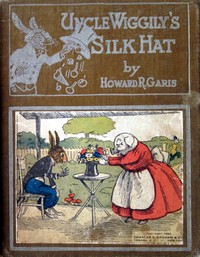
Uncle Wiggily's silk hat — Reading Companion
Young Readers
5,851 recorded words. 1 minutes difference from this book's estimate.
View Gutenberg source #72607
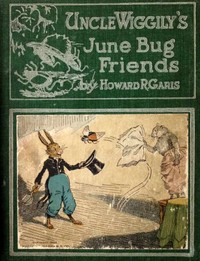
For Uncle Wiggily's June Bug friends — Key Ideas to Explore, the stored edition analysis reports 6,195 words, 27 min estimated reading time, and 4 detected text sections.
The text analysis averages about 16.6 words per sentence, while the detected sections provide another way to judge how the source is divided.
Project Gutenberg metadata also associates the work with “Flowers -- Juvenile fiction,” connecting these edition facts with the source record’s subject description.
Explore this collection
These alternatives are selected using recorded categories and estimated reading time.
About 26 minutes
Young Readers
5,851 recorded words. 1 minutes difference from this book's estimate.
View Gutenberg source #72607About 25 minutes
Young Readers
5,683 recorded words. 2 minutes difference from this book's estimate.
View Gutenberg source #70783About 21 minutes
Young Readers
4,628 recorded words. 6 minutes difference from this book's estimate.
View Gutenberg source #10981Search stored excerpts and compare books → Choose by your preferences →
Choices use stored catalog measurements. Estimates vary with reading speed. A shared category is a catalog label, not a claim that two books have the same argument or literary quality.
Search reads excerpt text stored with this catalog and links to its associated Gutenberg record. The connection is stored in the site database; this tool does not recheck that every excerpt is word-for-word identical to that external record. Excerpt search does not cover every chapter and does not verify historical publication dates.
Catalog snapshot checked: 2026-09-26. Coverage: 91 public books, 91 available source excerpts.
Calculated from edition completeness, EPUB availability, text structure and catalogue metadata. Not a user rating.
Total of 100 points, scaled to a 2.5-5.0 range. Editions with an empty description or a missing EPUB file are not scored.
Public-domain source text
The source text is kept in the dedicated reader, separate from this catalogue record and its commentary.
The story begins with Uncle Wiggily returning to his hollow stump bungalow after a day of adventures. On a warm night, a loud buzzing sound startles Nurse Jane Fuzzy Wuzzy, who fears a June Bug will tangle in her hair. Uncle Wiggily calmly catches the insect with his tall silk hat and a tea strainer, declaring, “There’s no harm in him.” This opening establishes the bunny gentleman’s gentle, practical nature and sets up the June Bug as a potential helper—a promise that unfolds across the book’s three linked tales.
The first story, “How the June Bugs Brought Joy to Uncle Wiggily,” likely shows the captured insect repaying kindness. The second tale introduces the “Skillery Scallery Alligator,” a phrase that hints at a slippery or tricky reptile. Based on the catalog subjects, alligators appear as antagonists or comic obstacles. The alligator’s name—repeated in the subtitle—suggests a playful, rhythmic language typical of Garis’s Uncle Wiggily series. Readers should watch how the June Bug’s earlier capture becomes useful when the alligator threatens.
In the third story, “How Uncle Wiggily Picked Some Flowers,” the bunny gentleman gathers May posies for Mrs. Wibblewobble. However, the flowers turn out to be decorations from the ladies’ hats, removed by mischievous animals. Mrs. Wibblewobble exclaims, “Oh, Uncle Wiggily! How could you be so cruel?” before realizing the trick. The excerpt shows Uncle Wiggily’s polite bow and the duck lady’s initial anger quickly resolved by sewing the flowers back. This episode relies on a classic misunderstanding, resolved without lasting harm.
Garis uses direct, simple sentences and repeated character tags like “the nice bunny rabbit gentleman” and “the muskrat lady.” Dialogue is marked by exclamations (“Oh, the little rascals!”) and polite phrasing (“Please accept these May posies”). The narrator often addresses the reader with asides, such as “If the spoon holder doesn’t go down cellar…” in the book list. This conversational tone invites young readers into a predictable, safe world where problems are solved without lasting consequences.
The book contains exactly three stories, each around 2,000 words. The excerpts show a clear pattern: a problem arises (a buzzing bug, a hat mishap), Uncle Wiggily acts kindly or mistakenly, and the situation resolves through explanation or a small favor. The June Bug’s role shifts from nuisance to helper, mirroring the series’ formula of turning minor characters into allies. The final pages include a promotional list of other Uncle Wiggily books, reinforcing the serial nature of these adventures.
First-time readers will enjoy spotting how each story’s title matches the subtitle’s promises. Pay attention to the June Bug’s reappearance—it may be brief but drives the plot. The alligator story is not excerpted here, so its resolution remains unknown. The flower-picking tale shows Garis’s love of gentle humor and mistaken identity, a staple of the series.
I keep thinking about how Uncle Wiggily’s little mishaps—like that alligator chasing him over a flower bed—stayed with me long after the pages closed. It reminded me of a quieter story, where loyalty between a boy and his dog feels just as weighty. That same tenderness lingers in Arthur Hamilton, and His Dog — Background and Themes, like an old photograph you find and hold a moment longer.
Use these questions to collect your thoughts before moving on.